ONE MIND.
ZERO FRICTION.
Bring me the idea. I'll help turn it into a real product. Product thinking, design, software, AI and connected technology — brought together in one mind.
Functional prototypes from €3,000
Interesting idea? Don't let the budget stop you from reaching out.
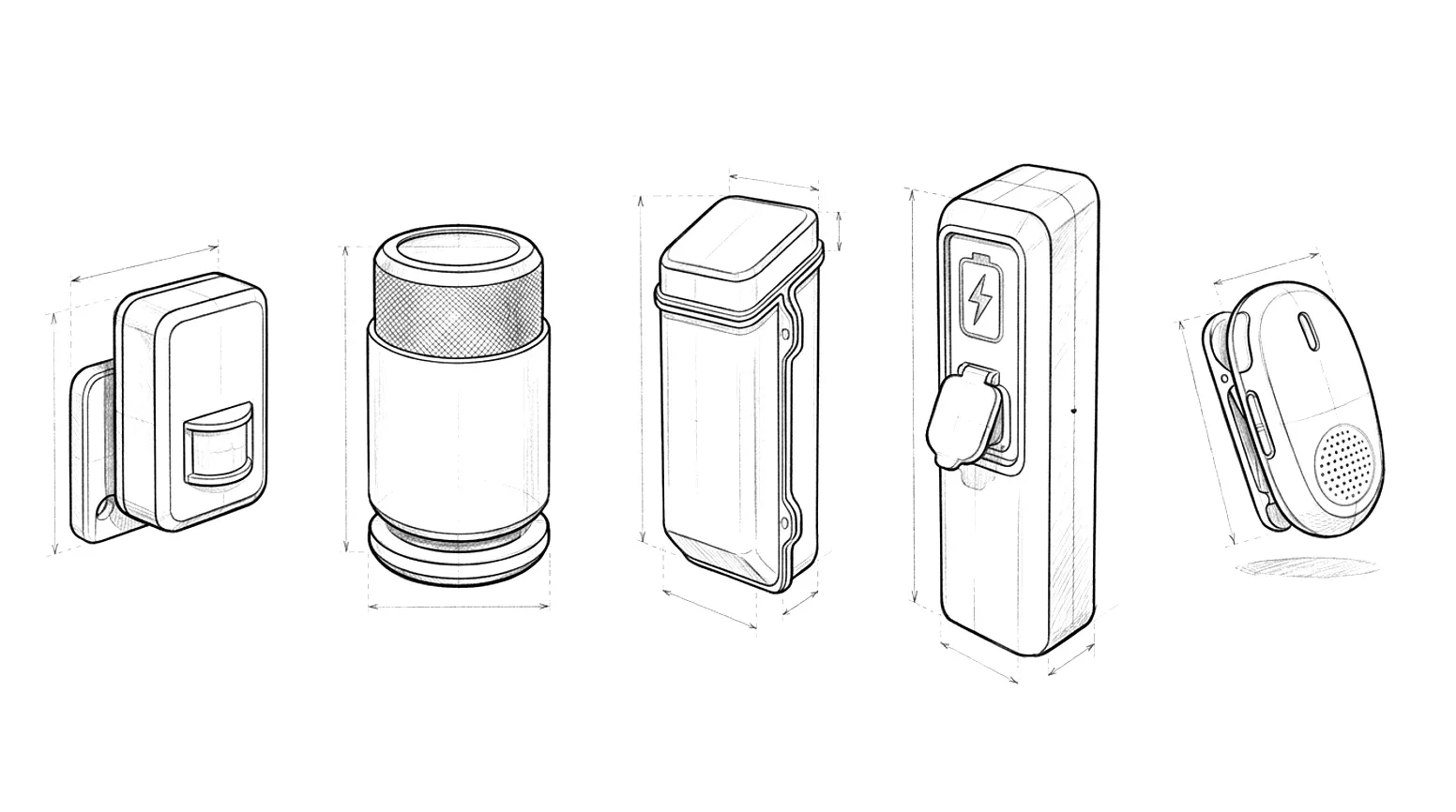
NOT AN AGENCY.
NOT A TEAM OF MEETINGS.
2-morrow is built around direct access to one product mind. One person follows the idea from its purpose and business logic through interaction, technology and implementation — without losing it between departments.
When a project needs additional specialists, they're brought in. The product thinking stays coherent.
Where the friction actually goes
Not into the product. Into the process around it.
The usual way
2-morrow
While others discuss the next iteration, we're already testing it.
I see the whole product.
Most teams divide these disciplines between people. I prefer seeing their relationships at the same time.
BUILDING ISN'T THE HARDEST PART.
KNOWING WHAT TO BUILD IS.
Before asking how to implement something, I ask whether it should exist at all.
Details users never think about. But always feel.
Every interaction communicates something. A delay can feel broken. An unnecessary question creates friction. The wrong animation can make a fast product feel slow.
Small decisions accumulate into how a product feels.
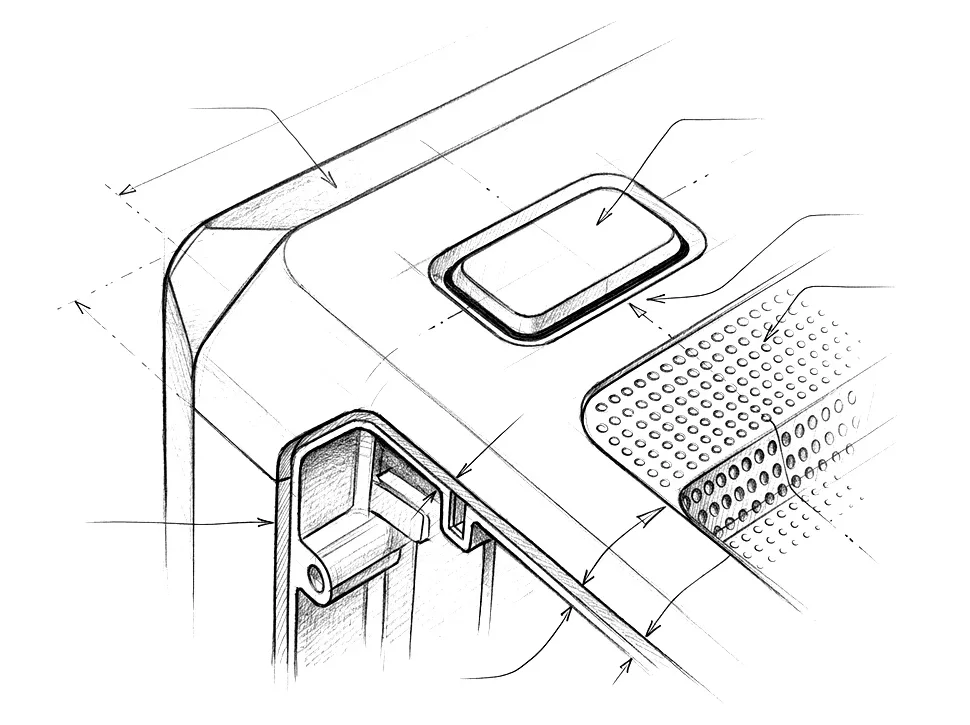
TECHNOLOGY CAN FEEL HUMAN.
Logic decides what a product does. Aesthetics and emotion decide whether anyone wants to open it again tomorrow. A product that works but feels like nothing is a product people replace without regret.
Design isn't decoration applied at the end. It's decided at the same moment as the architecture — by the same person.
FAST DOESN'T MEAN ROUGH.
I prefer having something real in my hands as early as possible. Once it works, I use it. Once I use it, I see what's wrong. Once I see it, I change it.
BUILD TODAY.TEST TODAY.IMPROVE TOMORROW.
Three ways to work with me
Start small, build the whole thing, or keep me on your side. The filter isn't your budget — it's whether the idea makes sense.
Prototype
One idea. One platform. Enough product to start learning.
- Small first commitment — one core experience, one hypothesis
- Real in your hands — use it, show customers, show investors
- Then decide what deserves to be built next
Build
For teams that already know they want to go further.
- Mobile, web, SaaS — custom systems, dashboards, portals
- AI products & automation — where it actually improves things
- Connected products — IoT, smart hardware, energy systems
Product partner
Product and technology thinking without hiring another department.
- Ongoing access — new problems, prototyping, evaluating ideas
- Direction, not hours — UX, AI, automation, technology strategy
- Improving what exists — experiments, troubleshooting, new features
You don't have to fund the final product before you know whether the first version feels right. Complex products don't always need a complex first step.
When software isn't enough.
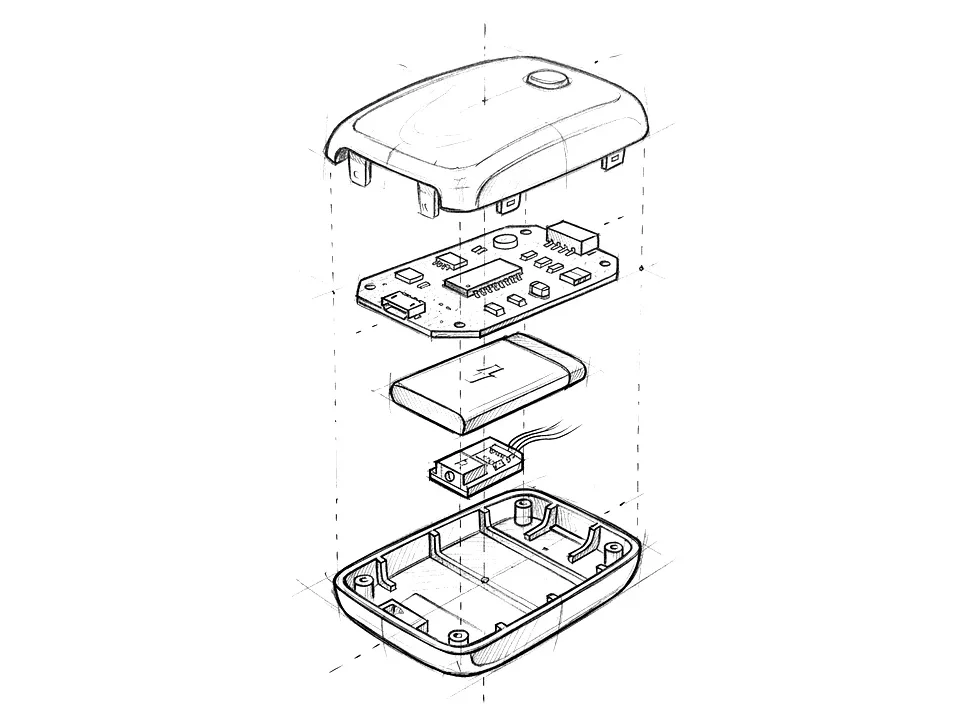
Some products live entirely on a screen. Others involve sensors, batteries, solar production, EV charging, physical devices and real-time decisions.
From sensor to screen — the approach is the same: understand the system as a whole.
BLE · Wi-Fi · Zigbee · NFC · cameras · edge processing · cloud · AI
Native on both platforms. No shortcuts.
Written properly for iOS and separately for Android — not one app squeezed through a universal tool and shipped twice.
It answers immediately
The app responds the moment it's touched. Animations run at the system's own pace instead of a framework's approximation of it.
Installs before interest fades
Extremely small download size. It arrives even on a weak connection and is ready to use while the person still wants to try it.
Reaches the whole device
Sensors, Bluetooth, haptics, notifications, widgets — used directly, not through whatever a plugin happens to allow this year.
Already have the hardware?
A good device with a mediocre app feels like a mediocre product. Most of what people remember about a physical product happens on the screen in their hand — the first pairing, the moment it responds, the small animation that says it worked. That part can be rebuilt without touching your hardware.
AI isn't a product strategy.
Sometimes it transforms the product. Sometimes a normal algorithm is better. The job is knowing the difference.
voice · vision · prediction · classification · natural language · agents · automation — only where it genuinely improves the product
From a thought to something you can hold.
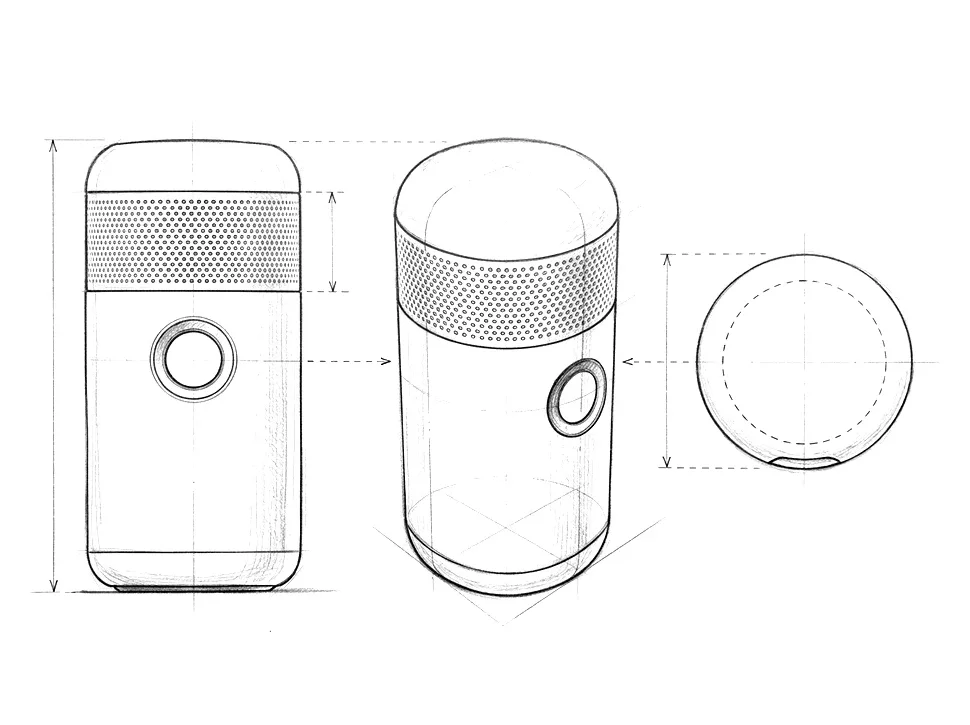
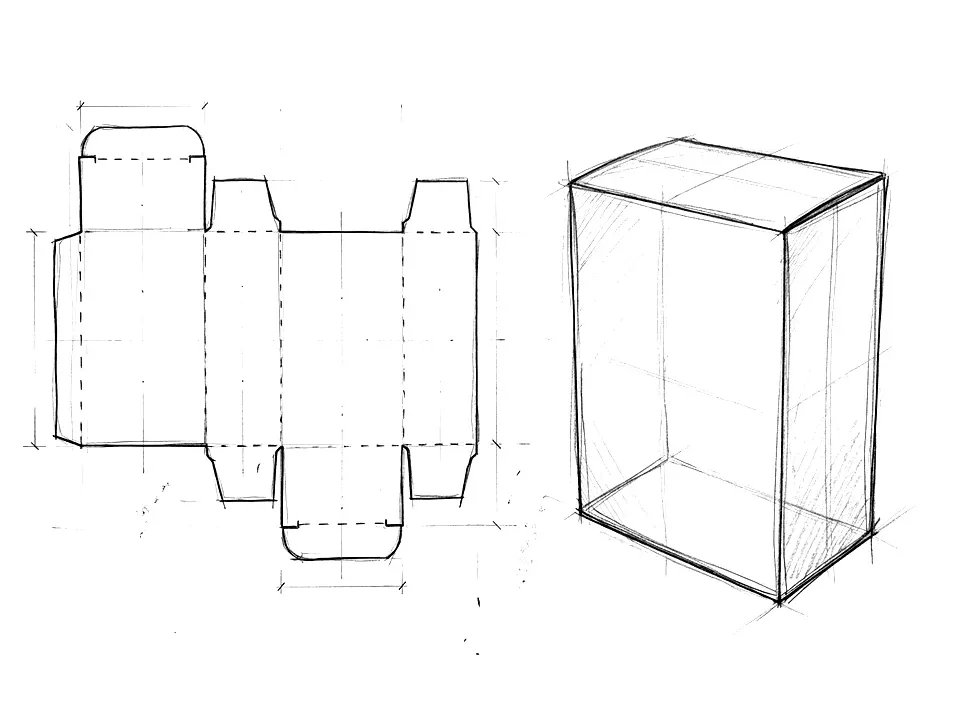
No workshops. No discovery phase. The idea arrives whole — then the same mind models the object, designs the box it ships in and builds what runs inside it.
 01
01
The idea
It doesn't start on paper. By the time I describe it, it already has a shape, a behaviour and a reason to exist.
 02
02
3D and print
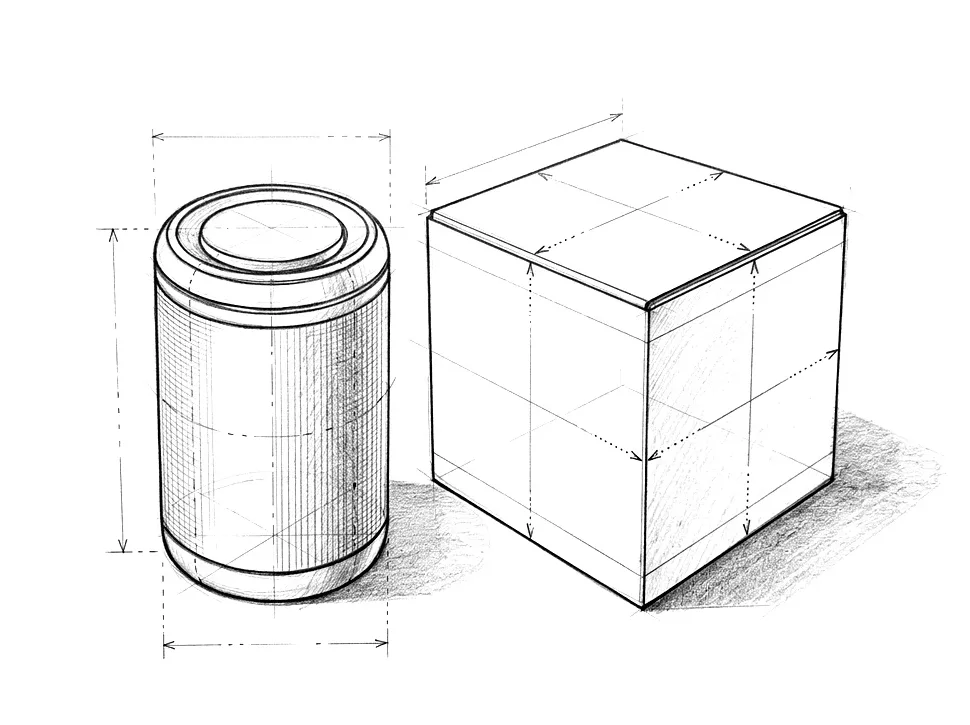
Product form, enclosures, packaging, dielines, print-ready artwork. The physical side of a product isn't handed to a different company.
 03
03
The real thing
Device, box, app and the moment someone opens it. Designed as one experience, because that's how people actually meet a product.
Software, hardware, form, packaging and print — one continuous line of thinking, not five suppliers.
Five products. Five different worlds.
Client work mostly stays confidential. These are my own products — live, in use, and open for you to look at right now.
QiTune
Solar, batteries, an electric car, heating and the rest of a home treated as one system that understands energy in real time — instead of five apps that don't talk to each other.
qitune.2-app.com →QiPort
A European IoT core. One layer for every device: it records each value and controls everything through a security gateway. EU hosting, GDPR, multi-tenant.
qiport.eu →HivePilot
An operating system for a beekeeper's apiary. Scales, sensors, a camera, weather read for bees, deadlines watched. The beekeeper works with the bees; the pilot holds everything else.
hivepilot.eu →Moje Notifikácie
A town's public address system, in a phone. Municipal announcements delivered through Signal, Viber, Messenger, Telegram, e-mail or SMS — and each person chooses what actually reaches them.
mojeno.sk →Weather engine
A forecast that checks itself against what actually happened, and gets better because of it. Built to predict both the sky and what a solar roof will do under it.
In developmentEnergy, IoT infrastructure, beekeeping, municipal communication and forecasting. The same mind, five industries that share almost nothing.
I have never been interested in staying inside one discipline.
Design taught me to notice. Technology taught me what is possible. Product work taught me what matters. Building things taught me that the fastest way to understand an idea is often to make it real.
That's why 2-morrow is deliberately built differently. One mind stays close to the product from the first question to the smallest interaction.
YOUR IDEA IS SAFE HERE.
You don't need to publish your idea before talking to me. Early conversations stay confidential. NDA is never a problem.
THE IDEA MATTERS.
I don't measure interesting projects only by their budget. Some begin as large commercial systems, others as a small experiment. If I see potential in an idea, we'll find a way to start that makes sense for both sides.
The things people ask first
Short answers. Everything else — just ask.
Who can take an idea from nothing to a finished product?
That's the whole point of 2-morrow. One person handles product thinking, industrial design, 3D and packaging, native mobile apps, backend, AI and connected hardware — so nothing gets lost between four suppliers who each own one part.
Can one person really do design, software and hardware?
The design direction, architecture and every product decision stay with me. Specialists and manufacturing partners are brought in where they genuinely help, but the thinking stays in one head instead of being split across departments.
How much does it cost to start?
A functional prototype starts from €3,000 excl. VAT. That's deliberately a small first commitment — enough product to test the one hypothesis that matters before any expensive decision gets made.
Do I need a finished specification?
No. A rough thought is enough. Most good projects start as a sentence, not an 80-page document, and the first conversation usually improves the idea before anything is built.
How fast is it?
Weeks rather than months for a first working version. There are no handoffs, no approval chains and no meetings about meetings — which is where most of the time in a normal project actually goes.
Do you work with companies outside Slovakia?
Yes. Work is done in English, Slovak, German, French and Italian, remotely across the EU, under European data and GDPR rules.
We already have a product. Can it be made better?
Often that's the fastest win available — the hard parts are already solved. A strong device with a weak app, or a working system with a confusing interface, can usually be improved dramatically without starting over.
Is my idea safe?
Yes. Early conversations stay confidential, an NDA is never a problem, and client projects are never published — which is why this site shows my own products instead of case studies.
No polished brief required.
Don't let the budget stop the conversation.
Got it. I'll take a look at the idea.
If it catches my attention, we'll talk about what the smartest first step could be.
YOU FOUND ME.
Have an idea, problem or product worth thinking about?
TELL ME YOUR IDEANo polished brief required. Don't let the budget stop the conversation.